Bringing Your Puppy Home
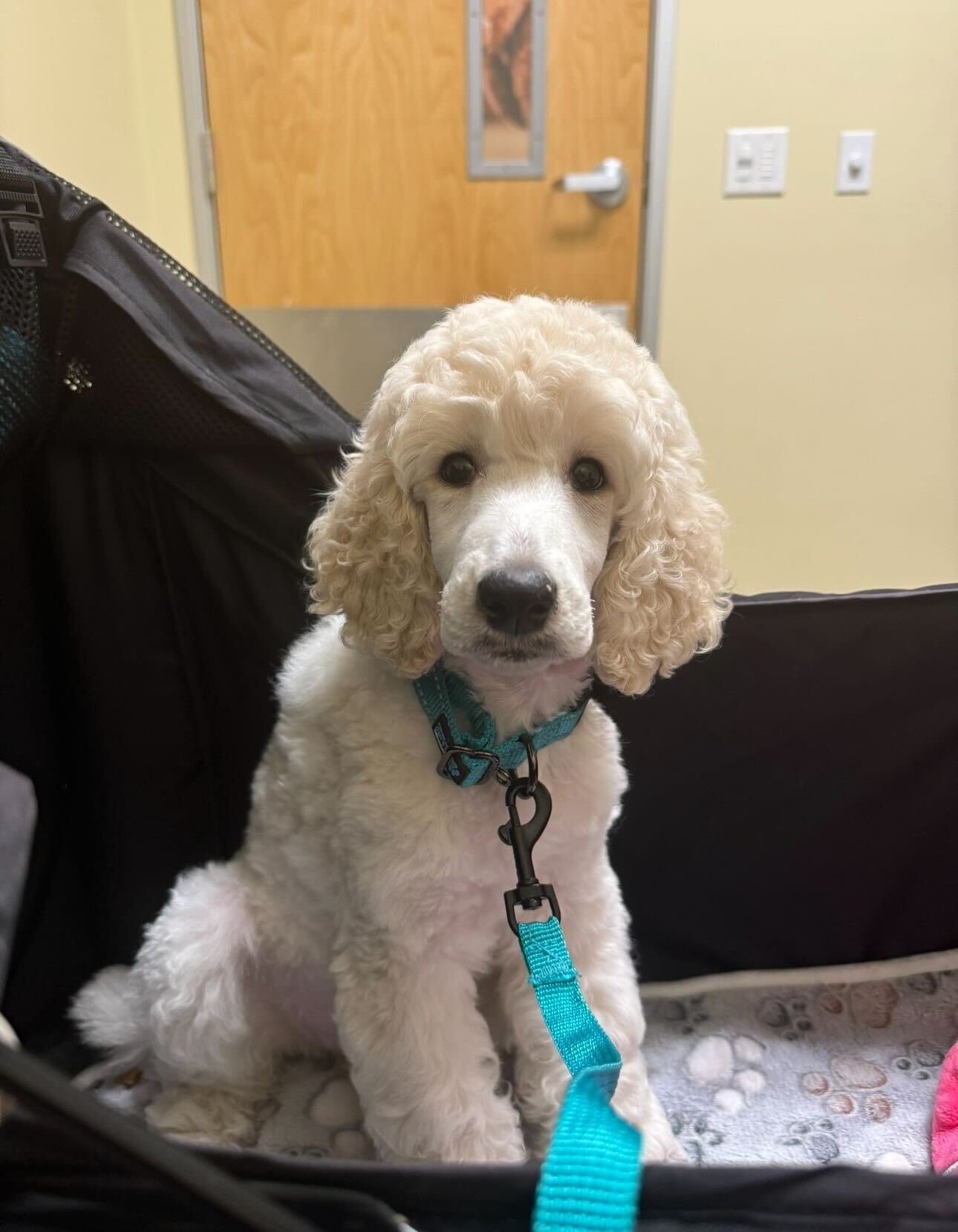
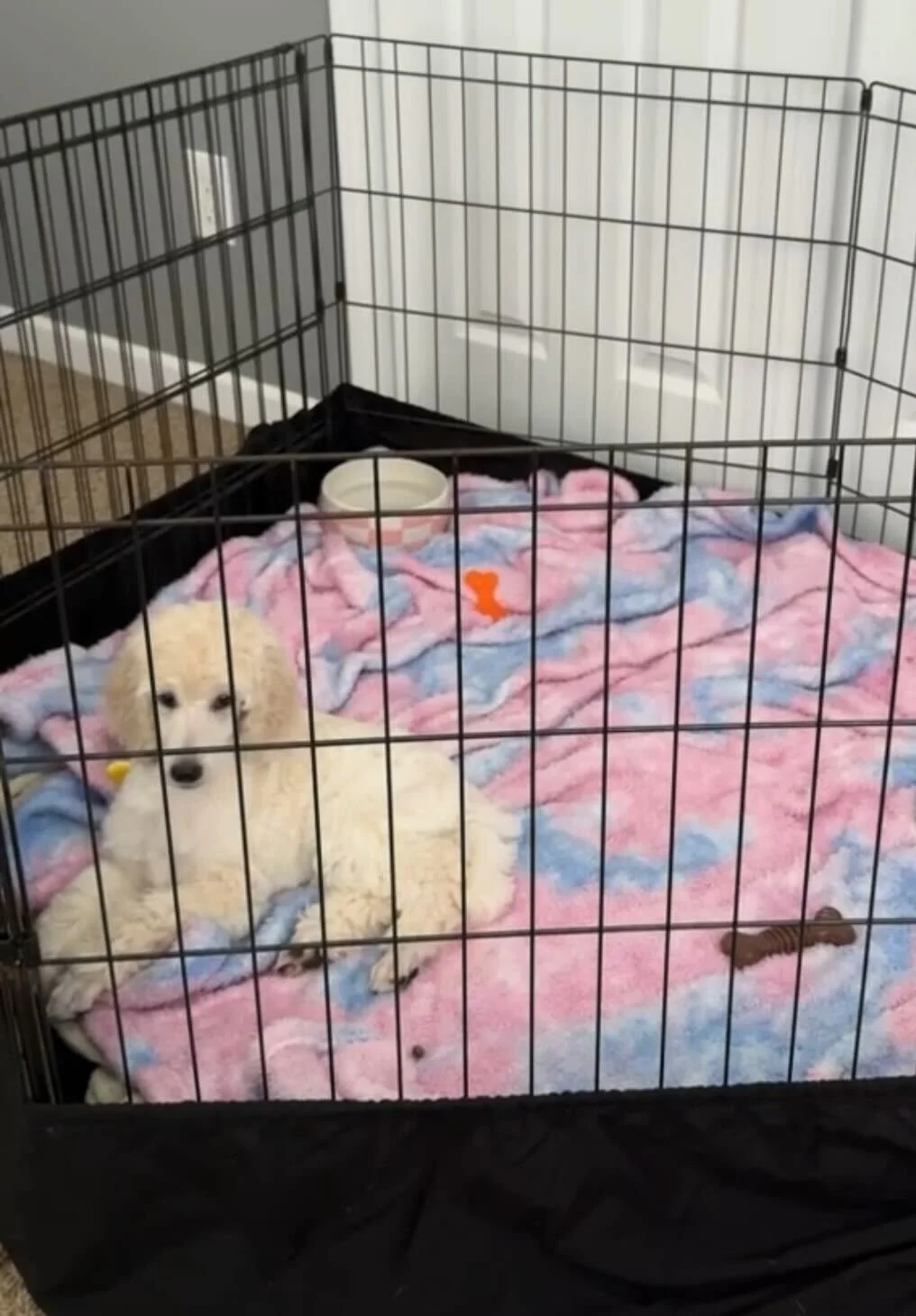
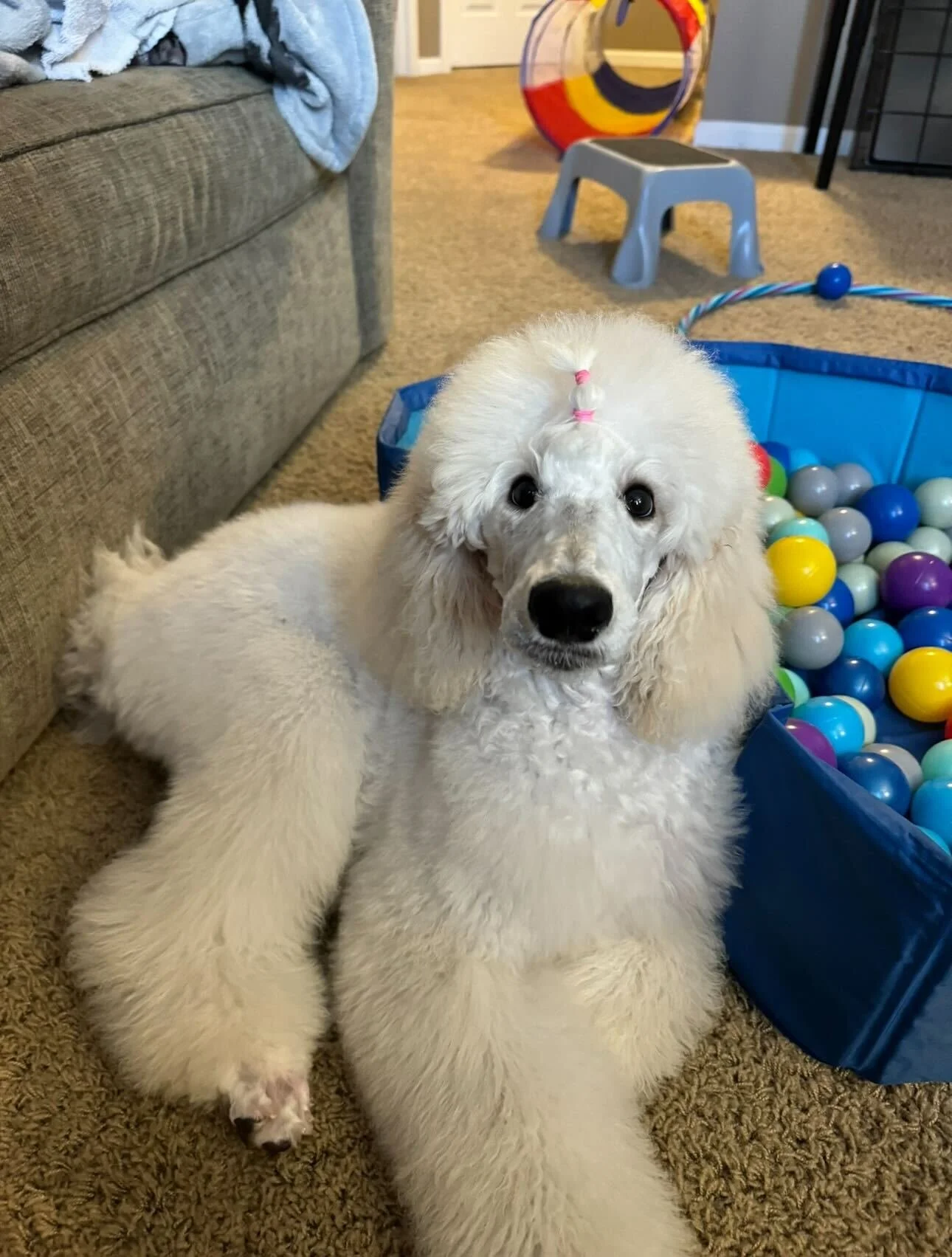
Bringing a puppy home is exciting, but it’s important to get your space ready first. Puppies are curious and can get into things quickly, so remove anything that could be dangerous or fragile. Set up a safe, quiet area for your puppy to sleep, eat, and relax. Make sure they have a few safe toys, access to water, and are supervised. Poodles are smart and love exploring, so having a space that’s just theirs helps them feel comfortable while they adjust.
Preparing Your Home
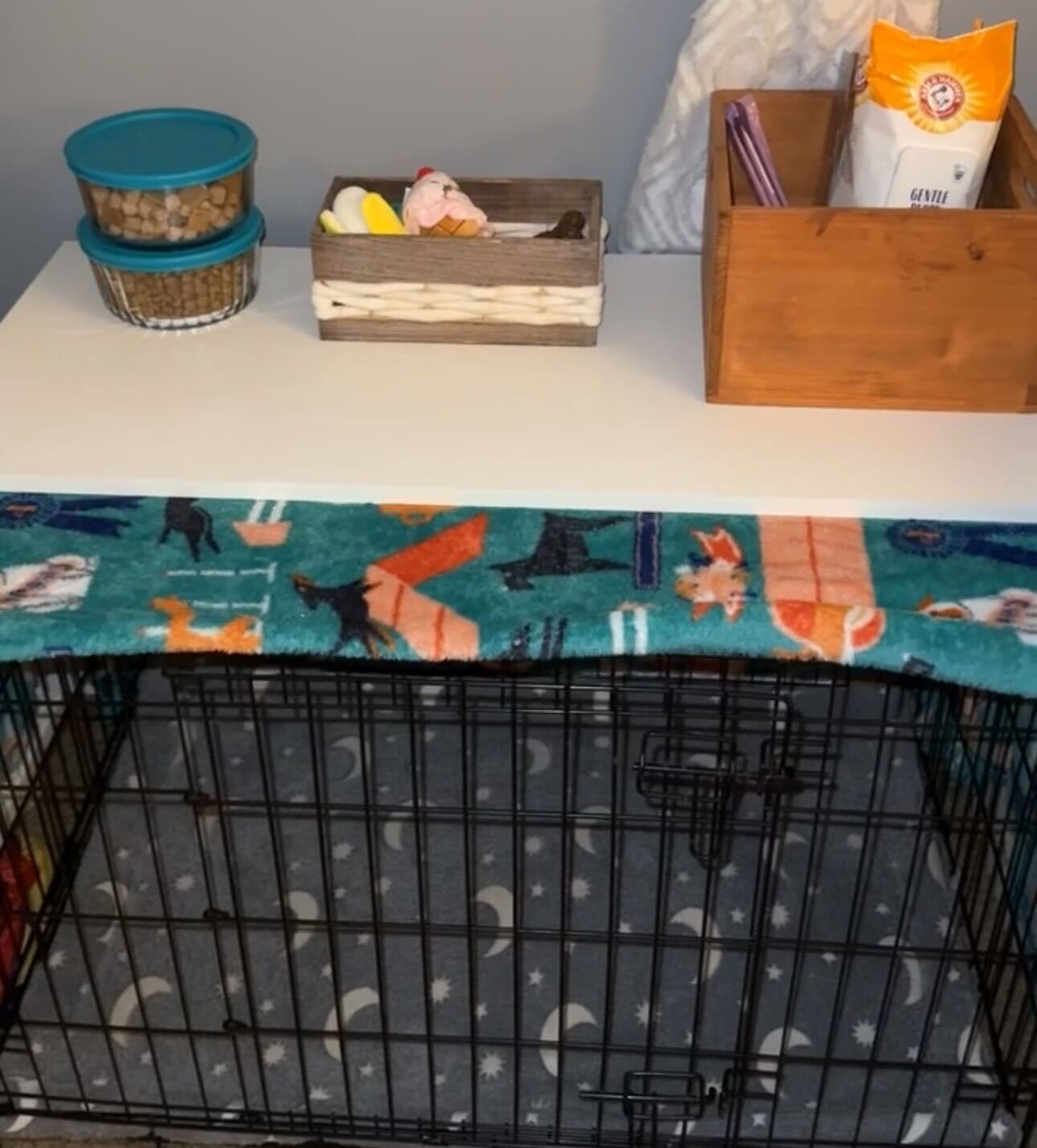

Poodles thrive on routine, and starting one right away makes training and bonding much easier. Try to put them to bed, wake up, feed and potty your puppy around the same times each day. This helps them learn what to expect and reduces anxiety. A consistent schedule also makes potty training and crate time much smoother, since your puppy will start to understand when it’s time for each activity.
Building a Routine

Socializing your puppy is one of the most important parts of raising a confident, well-mannered dog. Poodles are naturally curious and love learning about the world, but it’s important to introduce new things at their pace. Start by gently exposing your puppy to new sights, sounds, and smells in safe ways—like watching people, other dogs, or cars from a distance.
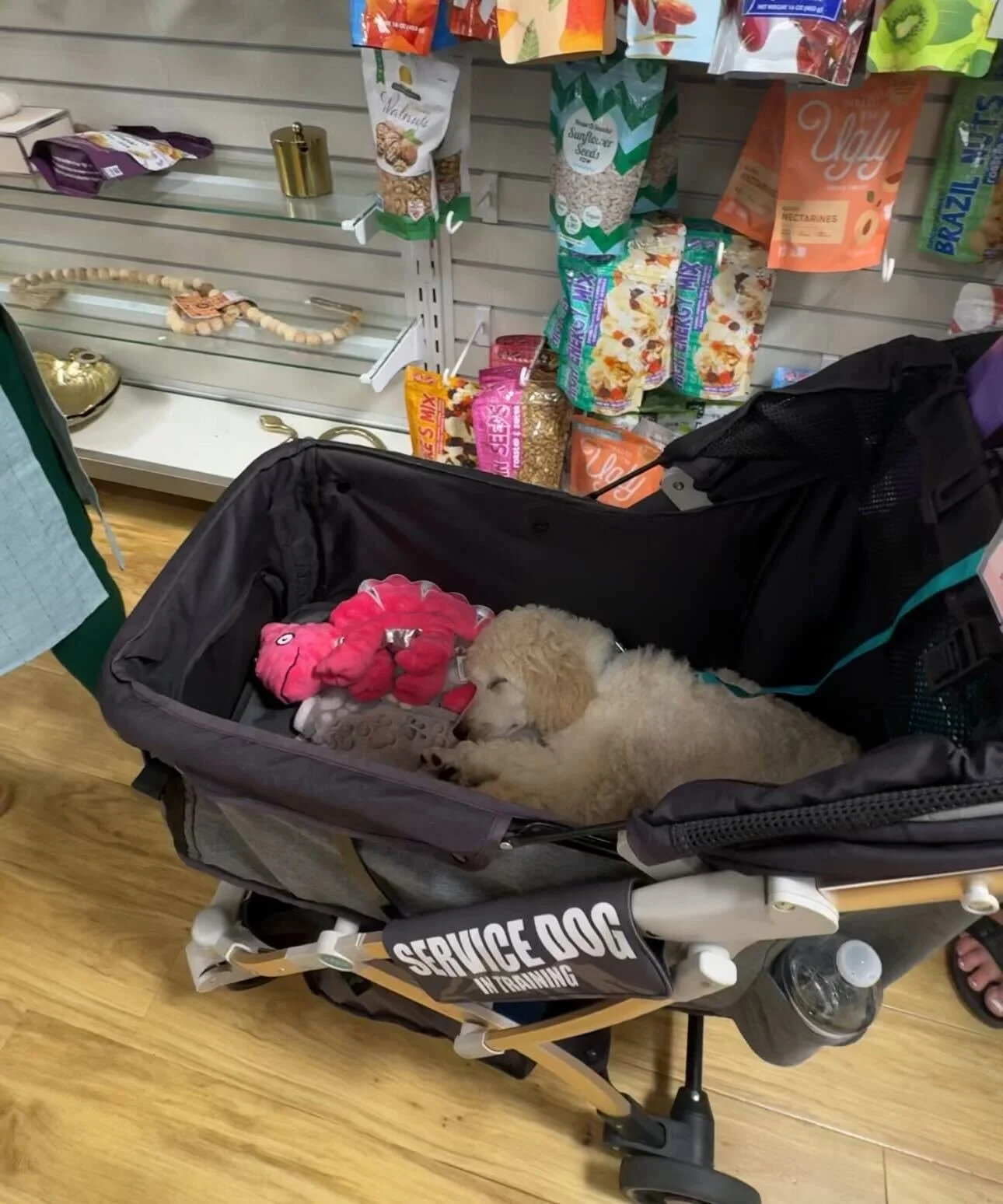
Before your puppy has finished their vaccines, socialization can still happen safely without close contact. You can use a stroller or a sling to carry your puppy in public, letting them see and hear new things without touching the ground or meeting unfamiliar dogs. This helps them build positive associations and confidence while staying safe from illness.
As your puppy grows and finishes their shots, you can begin adding more direct experiences like puppy classes, walks in new places, and safe playdates. The key is keeping every interaction calm and positive so your puppy learns that the world is a fun, safe place to explore.
Socialization & Exploration

Potty and Crate Training
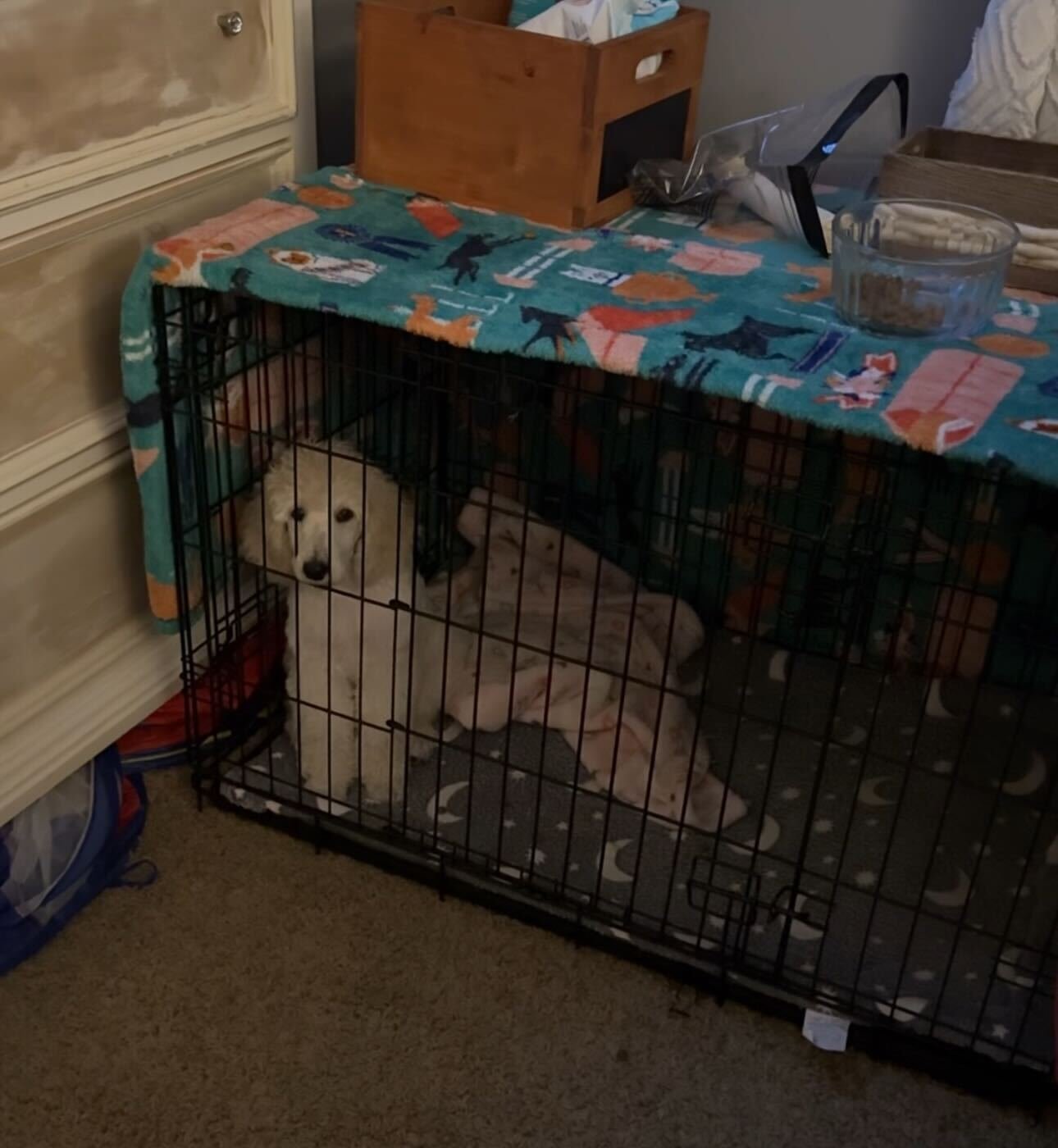
Potty training is easier when your puppy has a safe space and a consistent routine. Take them outside frequently, especially after meals, naps, and playtime. Praise them for going in the right spot, offer a treat, and try to stay patient, they’re learning! Crate training is a great way to provide your puppy with security while also aiding in house training. Make the crate a comfortable, happy place, never a punishment.
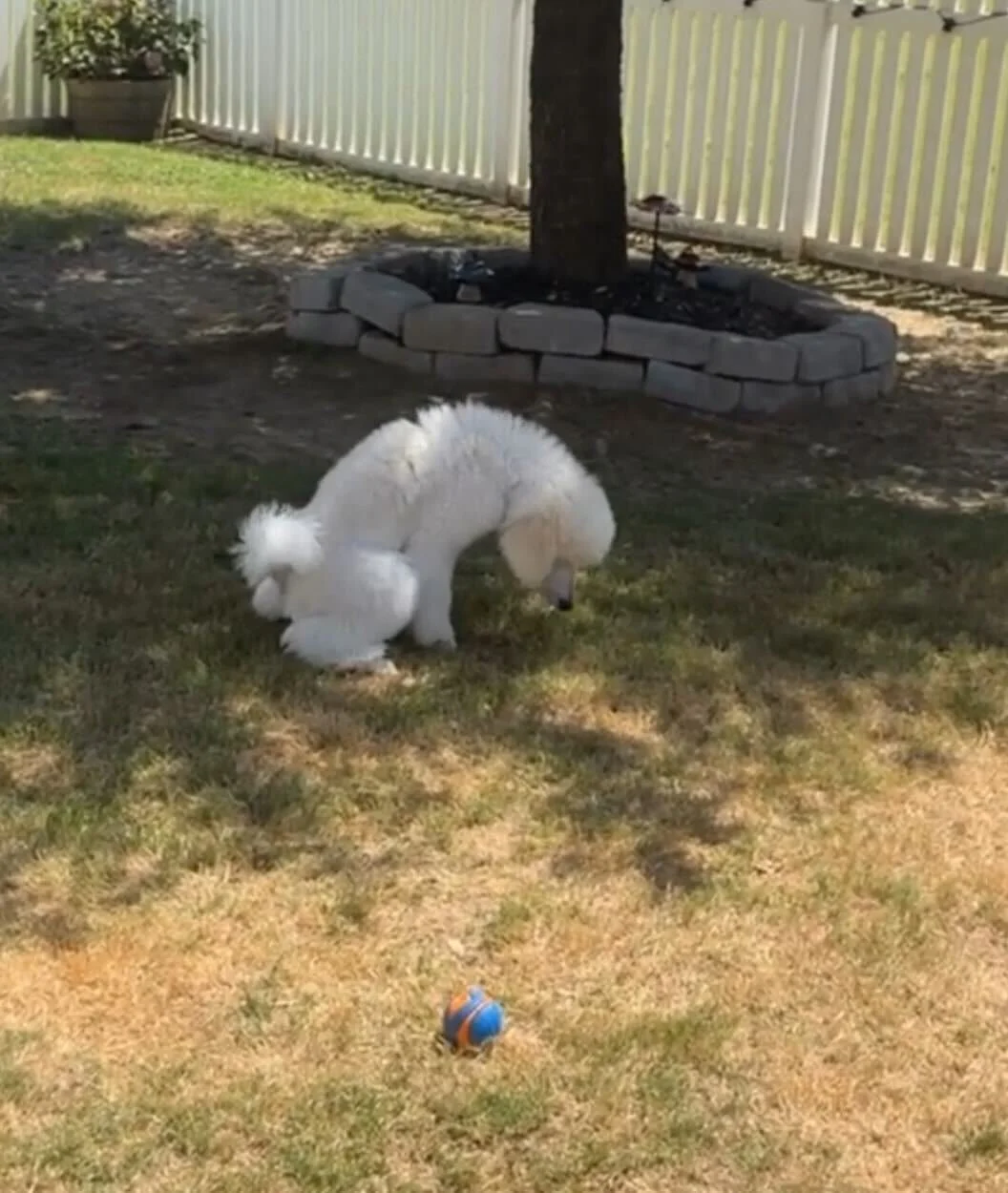
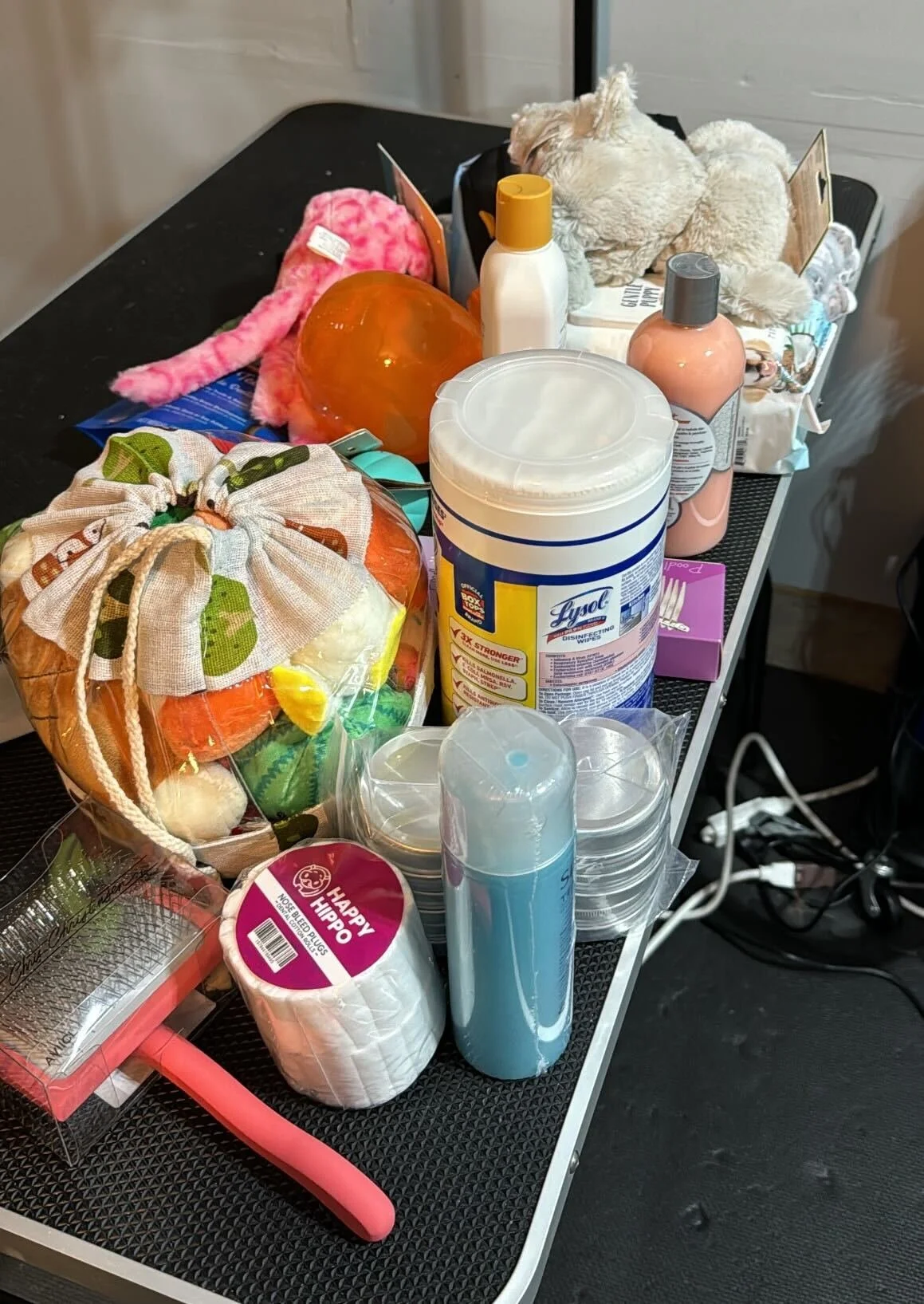
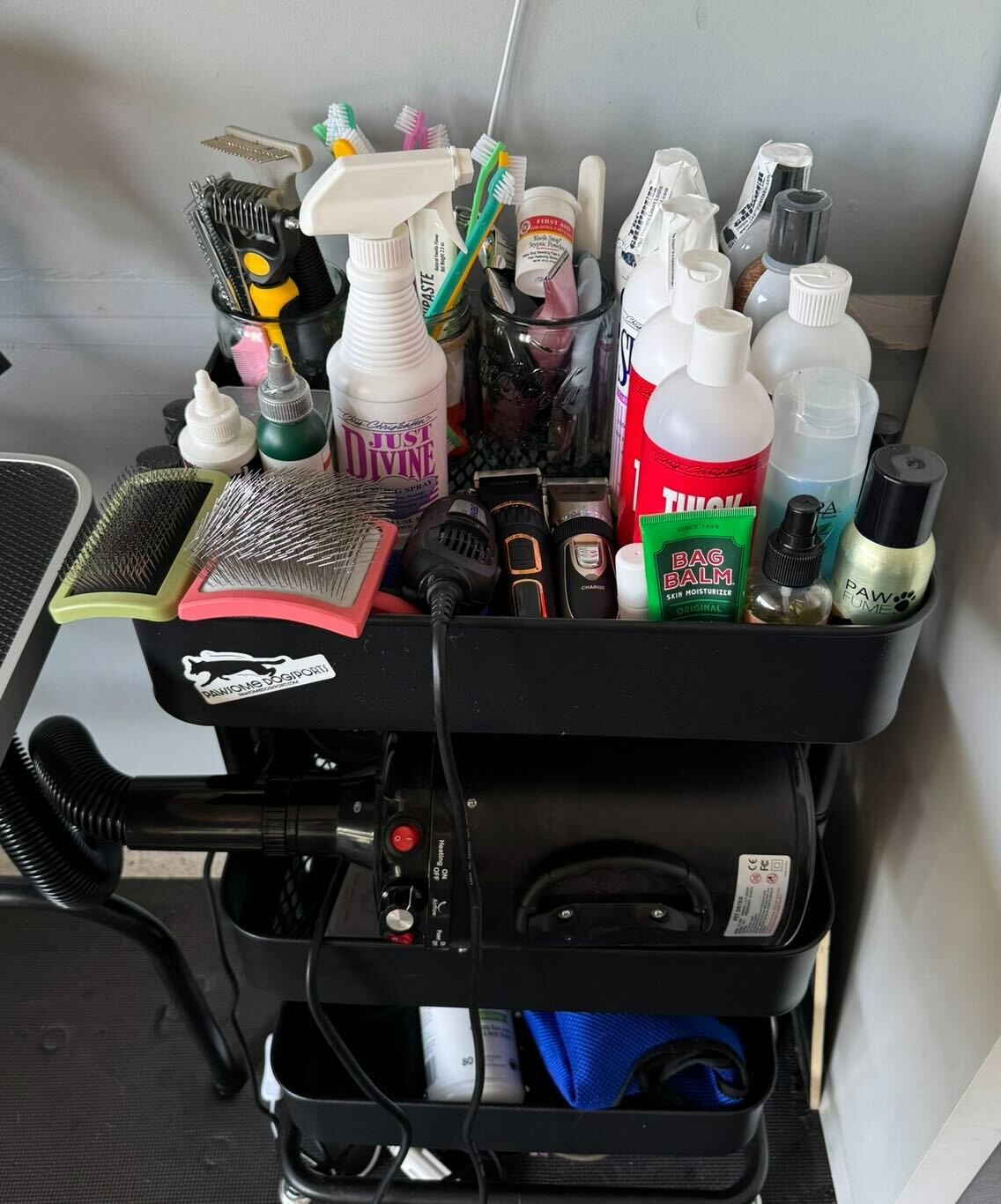
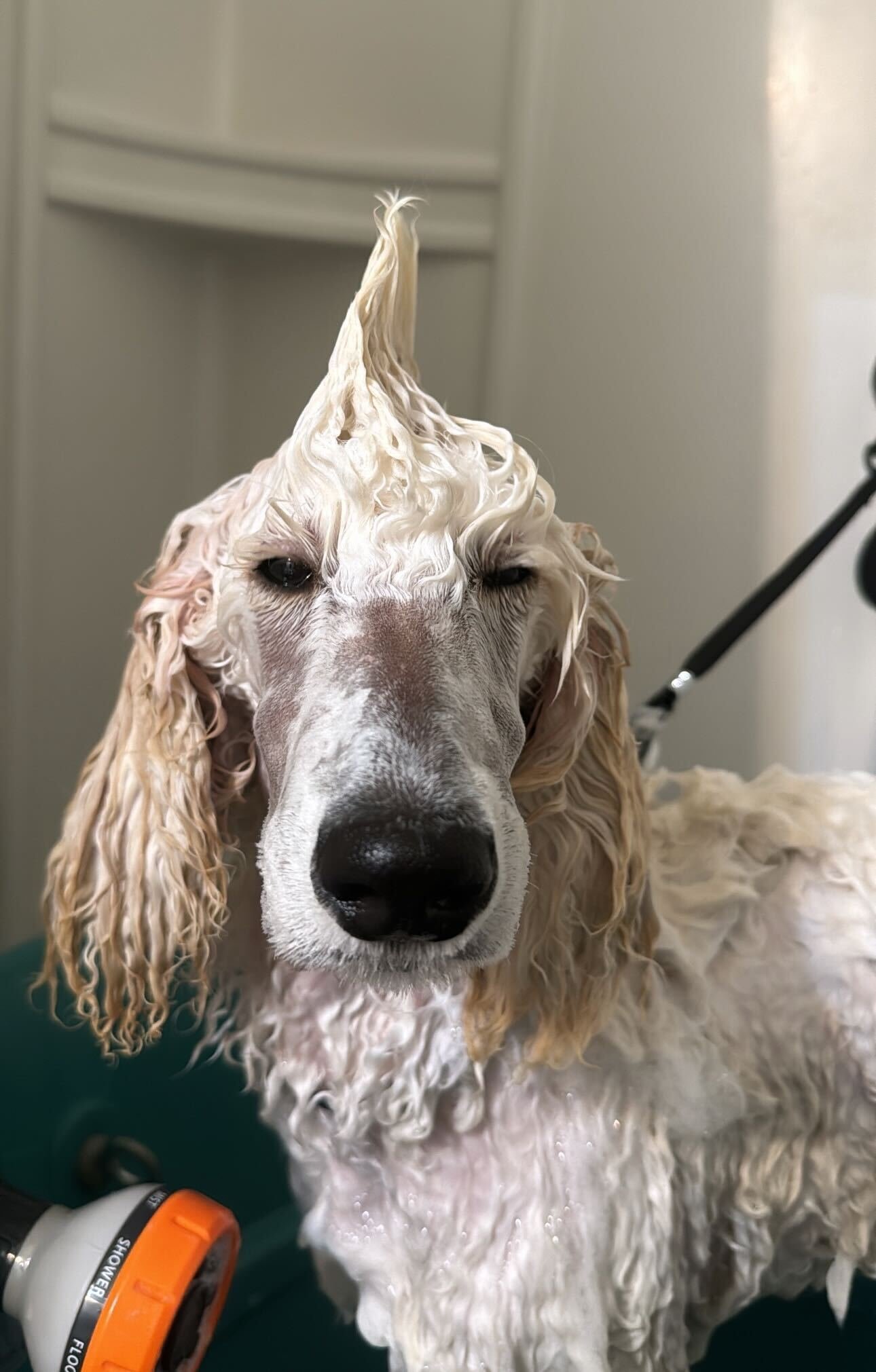
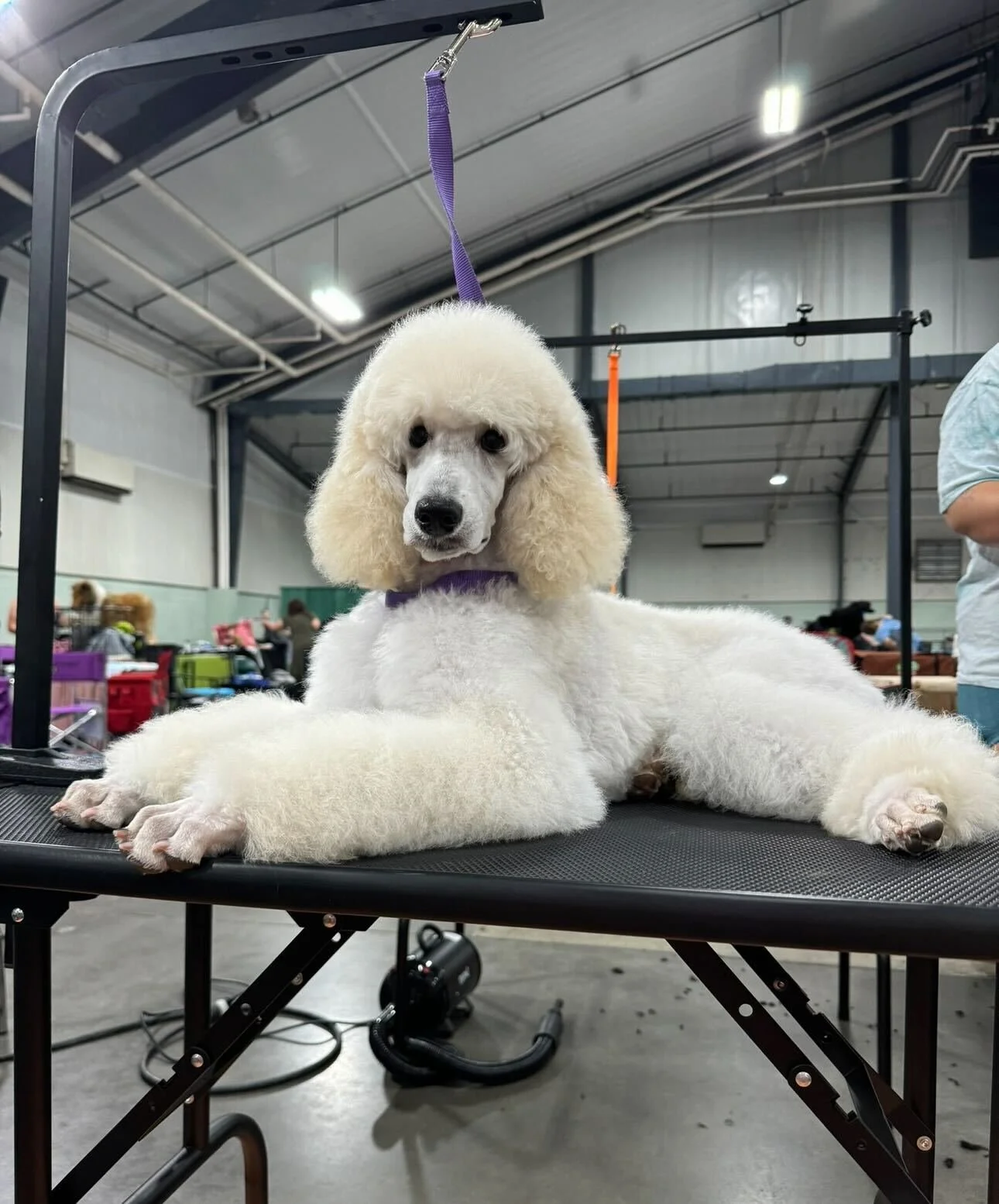
Poodles require regular grooming to maintain a healthy and mat-free coat. Get your puppy used to being on a grooming table, being bathed, brushed, having their coat trimmed, having their nails trimmed, using a dryer, and having their ears cleaned from a young age.
Poodles are generally patient, but starting slow and making grooming a positive experience makes it easier for both of you. Handling exercises, such as touching their paws and ears, also help with vet visits and overall confidence.
Grooming and Handling

Health & Vet Care
Regular veterinary care is essential for a happy, healthy puppy. Schedule their first checkup after bringing them home and stay up to date on vaccinations and preventive care. Consult with your veterinarian about diet, exercise, and any breed-specific health concerns. Healthy habits early on set the stage for a long, active life together.